Probe betting is one of the most underused and misunderstood weapons in Texas Hold’em. Many players fall into the habit of playing passively when out of position, even when the preflop aggressor checks back the flop.
Strong players think differently. They recognize that a check-back from the aggressor often represents weakness or specific ranges that can be attacked. A well-timed probe bet on the turn allows you to seize the initiative, apply pressure to capped ranges, and extract value with hands that benefit from protection.
This article explains what probe betting is, when it works, and how to use it correctly without turning it into a mindless stab.

What Is a Probe Bet?
A probe bet is a bet made out of position on the turn or river after the preflop aggressor checks back instead of c-betting.
For example, if you call a BTN raise from the BB and check to the raised on the flop, but he checks back, you can probe on the turn instead of checking again.
The key feature of a probe bet is that it targets a range that has declined to apply pressure. Probe betting is not about bluffing randomly but rather about capitalizing on informational gaps.
Why Probe Betting Works
When the preflop aggressor checks back the turn, several things tend to be true:
- Their range is often capped (fewer strong value hands)
- They have missed opportunities to build the pot
- They may be protecting marginal showdown value
- They may be planning to bluff-catch rather than bet
This creates an ideal environment for the out-of-position player to bet. By probing, you force your opponent to respond with poker hands that were happy to check but may not want to face pressure.
Probe bets work best when:
- The board favors the caller’s range
- The aggressor’s strong hands would usually continue betting
- The turn card changes the range interaction
- Your hand benefits from protection or value
Good Hands to Probe Bet With
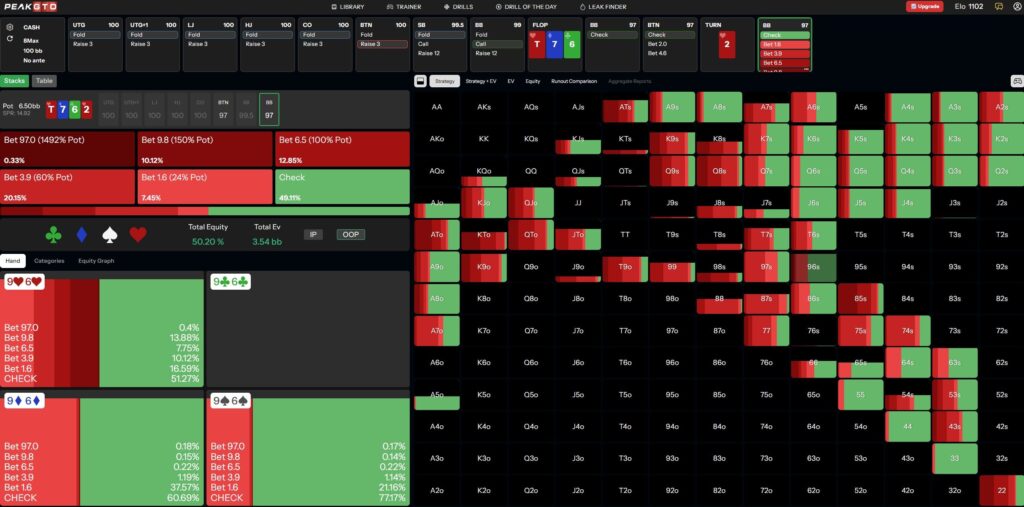
Probe betting is most effective when used with hands that sit in the medium-strength to strong, but not nutted range.
Hands that make good probe bets include:
- The top pair or the second pair that wants value and protection
- Overpairs relative to the board
- Strong draws that benefit from fold equity
- Hands that block strong continues from your opponent
For example, if you call a flop bet on a low connected board and the turn bricks, your opponent’s check often removes strong overpairs or big draws. Betting hands like top pair or a strong draw allows you to charge equity and avoid facing difficult river decisions.
When Not to Probe Bet
Just because your opponent checks does not mean you should always bet. Poor probe spots often include:
- Turns where your opponent’s checking range is very strong
- Boards where the aggressor frequently traps
- Situations where your hand has excellent showdown value
- Multiway pots, where fold equity is lower
Probe betting into multiple opponents or into ranges that still contain many strong hands can quickly turn into a costly mistake.
If your bet only gets called by better hands and folds out worse hands, it’s probably not a good probe.
Board Texture and Probe Betting
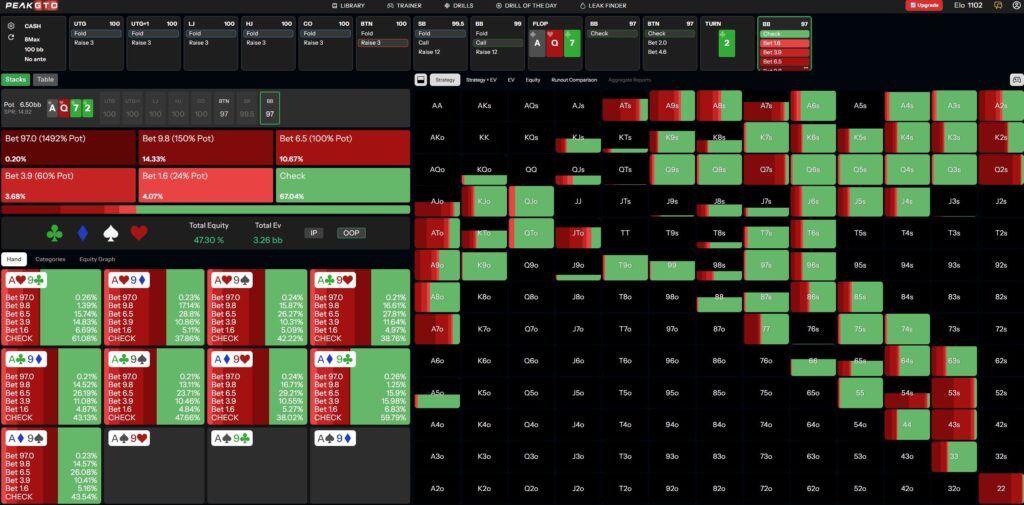
Board texture plays a huge role in determining probe frequency.
On boards that shift equity toward the caller, such as low, connected, or paired boards, the caller often has more strong-hand combinations. When the aggressor checks back the turn on these boards, probe betting becomes especially attractive.
Conversely, on high-card dry boards that strongly favor the aggressor’s range, turn checks can still contain traps. Probe betting these boards requires more caution and selectivity.
How Probe Betting Fits Into a Balanced Strategy
From a theoretical perspective, probe betting prevents your opponent from checking back freely and realizing equity at no cost. If you never probe, aggressive players can exploit you by c-betting once and then shutting down.
However, probe betting must be selective. A balanced approach includes:
- Some probes for value
- Some probes as bluffs
- Some checks with hands that are happy to reach showdown
This GTO balance keeps your strategy robust and difficult to exploit.
Common Mistakes With Probe Bets
From a coaching standpoint, the most frequent errors include:
- Treating probe bets as automatic bluffs
- Betting too large and isolating against strong hands
- Probing into ranges that are not actually capped
- Ignoring opponent tendencies
Probe betting is a precision tool, not a default action.
Conclusion
Probe betting is a powerful way to regain initiative when the preflop aggressor hesitates on the turn. Used correctly, it allows you to pressure capped ranges, extract value from marginal holdings, and prevent opponents from realizing equity for free.
The key to effective probe betting is understanding why the check happened and who the board favors. When those factors align, a well-sized probe bet can turn a passive spot into a profitable one.