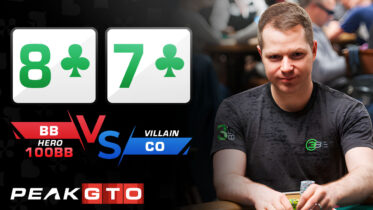
Players routinely call too wide, continue with dominated hands, or fold the ones that would have played profitably with position when facing a 3-bet.
We already covered the 4-betting strategy, so today we will concentrate on building proper calling ranges, which will help you avoid many costly mistakes.
Knowing which hands to continue with, why they belong in your range, and how to adapt to different opponents is central to winning in the games.

Why Calling a 3-Bet Requires Discipline and Structure
At first glance, many poker hands appear playable when facing a 3-bet. ATo or QJo looks strong, and all suited gappers feel like auto-calls. But in reality, these hands often lose EV because the structure of a 3-bet pot is fundamentally different from a single-raised pot.
When you face a 3-bet:
- The pot grows dramatically.
- The stack-to-pot ratio falls.
- Your opponent’s range is much tighter than yours.
- Your equity realization decreases, especially out of position.
In this scenario, you cannot call 3-bets purely based on hand strength, and you must evaluate the playability of that particular holding as well.
What Makes a Hand a Good 3-Bet Call?
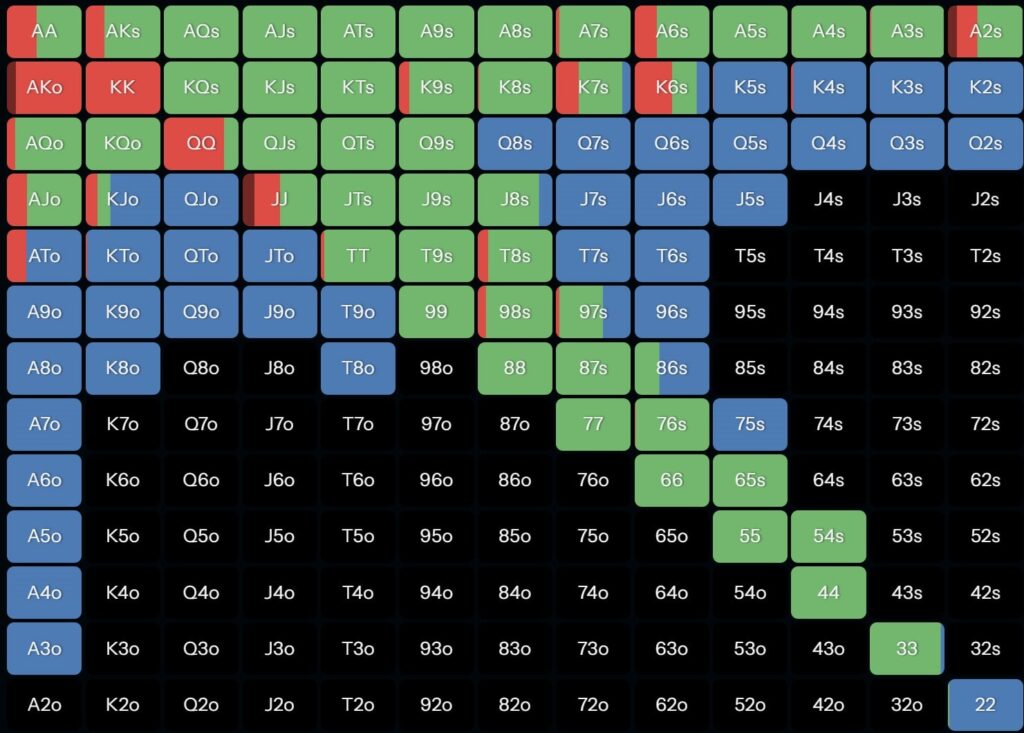
The best calling candidates avoid domination, realize equity well, and maintain flexibility across a wide range of flops.
This is why suitedness, connectivity, and position play such a large role in shaping calling ranges.
Let’s break down the categories of hands that perform best.
Suited Broadways: The Backbone of Your Calling Range
Suited Broadway hands such as KQs, KJs, QJs, and JTs are some of the highest-performing calls against 3-bets. Their value comes from both strength and versatility.
These hands:
- Flop top pairs with good kickers
- Make strong backdoor draws
- Create nutted straights and flushes
- Thrive in position
- Retain equity even when behind
Suited Aces: Powerful, Resilient, and Underappreciated
Suited aces from AJs all the way down to A2s perform exceptionally well in 3-bet pots. Their strength lies in:
- Blocking AA and AK
- Having clean flush equity
- Reaching a showdown with ace-high
- Flopping equity on many textures
This hand is far better as a call than any offsuit ace of similar value. A5s plays comfortably in large pots because its weaknesses are masked by its flexibility.
Pocket Pairs: Great In Position, Fragile Out of Position
Pocket pairs (22–99) are profitable calls when you have a position. They benefit from:
- Set-mining value
- Implied odds
- Clean equity when they hit
- Showdown value when they miss
But this changes dramatically out of position. When OOP, you will struggle to fully realize your equity, be less likely to reach the cheap showdown, and will simply have to give up too many c-bets.
Pairs remain part of OOP defense, but the frequency tightens significantly.
Strong Suited Connectors: Excellent Equity Realization
Hands like 98s, 87s, and 76s avoid domination and generate large, disguised equity when they connect. They’re especially effective in position.
They thrive because:
- They rarely lose big pots
- They often win big pots
- Their draws compete well against strong ranges
- Their overall equity realization is high
These hands provide vital board coverage for your calling range, preventing your opponent from c-betting profitably on too many runouts.
The Hands You Must Avoid Calling vs. 3-Bets
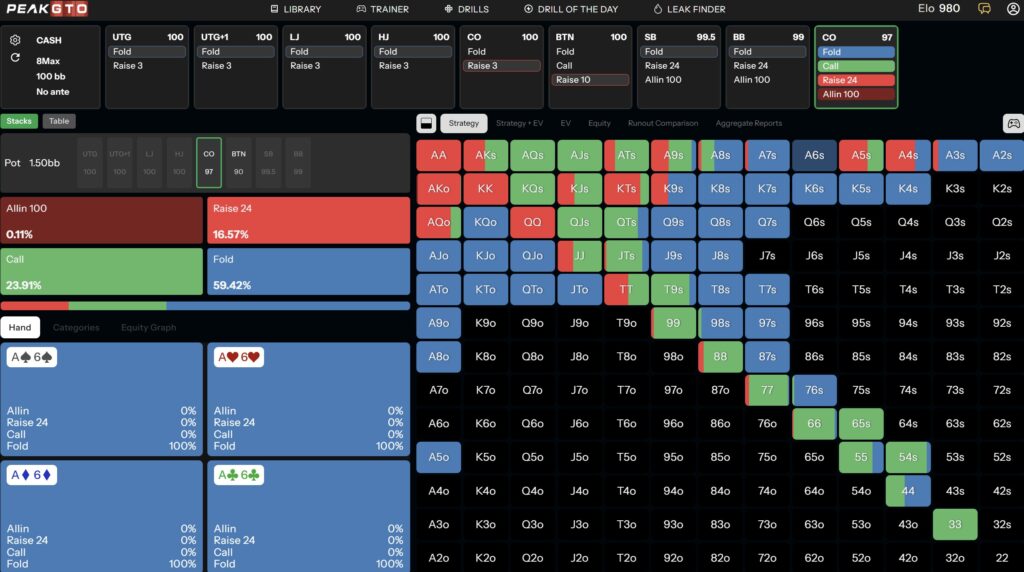
Nothing improves a player’s 3-bet defense faster than removing the hands that shouldn’t be there in the first place.
Offsuit Brodaways definitely falls in this category. Hands like ATo, KJo, QTo look playable but perform terribly when facing a 3-bet. They suffer from:
- Severe domination
- Poor playability
- Low equity on many boards
- Difficulty realizing equity out of position
- Reverse implied odds when they make a top pair
Many players call here and think they’re defending properly. In reality, this is a losing call in most lineups, particularly out of position. You get dominated too often and lose large pots when you make a “good” hand.
You should also avoid calling too much with suited gappers, since hands like 96s, T7s, 85s also realise equity much worse than proper suited connectors and can pick many weak draws that will end up losing big pots.
The Role of Position: Where You Sit Shapes Everything
In Texas Hold’em, your position fundamentally changes which hands are profitable calls.
In Position
You can call more suited hands, pairs, and weaker suited aces since it is easier to realize equity. Your calling range broadens significantly.
Out of Position
Your calling range must be much tighter. OOP, you should prioritize suited Broadways, premium suited aces, higher pocket pairs, and only the best of suited connectors with strong postflop playability.
Many marginal hands that were clear calls in position become clear folds out of position.
On top of that:
- If your opponent 3-bets aggressively and folds often to 4-bets, you can call wider and 4-bet more.
- If they 3-bet only premium hands, as many small-stakes players do, you must fold more of the borderline hands and defend with a much tighter range.
The key is to treat your ranges as flexible structures, not as definite preflop charts.
Conclusion
A disciplined, well-constructed calling range allows you to enter 3-bet pots with hands that thrive under pressure and avoid the traps that lead to expensive mistakes.
When combined with a strong 4-bet strategy, your preflop game becomes robust, dynamic, and extremely difficult to exploit.