Players complain about microstakes games all the time. The strategies from training videos supposedly do not work there because nobody folds. Fair enough. So what do you do when nobody folds?
You adjust, and the adjustments are simpler than you think. Microstakes online poker games are full of casual players who play constantly and study never, which means they hand you their money in the same few predictable ways.
This guide covers how to beat microstakes online, which leaks to plug in your own play, and which of your opponents’ habits to attack first.

Understand Who You Are Playing Against
If you are reading a strategy article, you are already far more serious about poker than the average microstakes player will ever be.
They play because playing is fun. Studying is not fun, so they do not do it. When you catch yourself reasoning about their play the way you reason about your own, you are already making a mistake.
A typical microstakes player will happily min-check-raise a monster because they want more money but do not want to scare you away.
You probably ran that exact slow play in your first home game. Remember what stage of development these players are in, and their strange lines start making perfect sense.
Stop Calling Just Because the Price Looks Good

The classic microstakes trap goes like this. You are in the big blind with five-six offsuit, facing a raise and three calls. The pot is huge, the price is tiny, so it must be a call, right?
Prove it. When you dig through databases, the junky offsuit poker hands like five-six offsuit and king-deuce offsuit do not show a profit in these multiway spots, no matter how pretty the price looks.
Folding costs you exactly one big blind here. The players making these calls routinely lose more than that, because a bad price on a bad hand is still a bad deal.
The weak ace is even worse. Ace-seven offsuit feels like a mandatory call getting twenty to one, and then the flop comes ace high, you cannot let go, and the kicker costs you a stack. If you cannot prove a call is profitable, stop making it. The medium offsuit connectors like nine-eight and ten-nine are about where the evidence starts supporting you.
Cold Calling Is the Invisible Leak
Cold calling raises with speculative hands is where microstakes win rates quietly go to die, and the leak is invisible by design.
You cold call sevens in the hijack, someone behind you squeezes, you fold, and two minutes later you have forgotten the hand ever happened. Nothing dramatic occurred. But run the filter and the truth shows up fast.
If you want to see a grown man cry, filter a database for early and middle position cold calls, and you will find players losing 40 or 70 big blinds per hundred in spots where folding loses one. I have run those filters more times than I can count, and the result never gets prettier.
The pattern is all about poker positions. Button cold calls are usually fine, since nobody can squeeze you out and you always see the flop in position. The cutoff is pushing it. Earlier than that, with four or five players still to act, someone picks up a real hand often enough that your speculative call never even reaches a flop. Tighten the early cold calls and your win rate climbs without you playing a single hand better.
Play Big Pots in Position With Better Hands
Now for the money-making side. The core formula for beating microstakes is almost embarrassingly simple. Play big pots in position with hands that beat your opponents’ ranges, against players who do not play well after the flop.
Say the cutoff raises and you hold pocket sixes on the button. Three-bet. The average microstakes cutoff opens wide enough that your sixes are comfortably ahead, they will call because these players do not fold to three-bets, and then they will play the rest of the hand badly. You would have to work hard not to make money doing that thousands of times.
The same logic tells you what to skip. Ace-jack offsuit facing an early position raise, out of position, is a fold unless you have real evidence the raiser is wild. There is no shame in passing marginal spots. The profitable ones come around every orbit at these stakes.
Believe Them When They Raise

Microstakes passivity cuts both ways, and both edges make you money once you see them.
Because these players call too much, your continuation bets should shrink. A quarter-pot bet only needs to work 20 percent of the time, and against wide, junky poker ranges that call with anything, small bets tax all of it cheaply. You get thin value at a discount that tougher games never offer.
But the moment a passive player raises you, the discount ends. Could they be bluffing? Sure, in theory. Do you have any evidence? If you were arguing the case in court, could you prove it? Almost never.
Microstakes players raise when they have it, so when your one-pair hand faces a check-raise, make the disciplined fold and move on. Hero calls need fold equity logic and bluffing frequencies that these players simply do not have in them.
Do Not Bet Just Because Everyone Checked
Here is a spot that traps studied players specifically. A multiway pot checks around on the flop, and your brain announces that nobody has anything, so you should bet the turn and take it.
At microstakes, that checked flop means something different. Casual players pot-control their made hands. The player with middle pair or a weak queen checks on purpose, hoping you will bet their hand for them so they can call down. Bet your air into three players and someone with a random pair calls, and now you have built a pot you cannot win.
Ask the two questions that matter before betting. Will anything worse call, and will anything better fold? With a small pair in a checked multiway pot, the answer to both is usually no, so keep checking.
The beautiful part is that microstakes players rarely stab at these pots either, which means your marginal hands get to walk to showdown for free, a luxury higher stakes games never grant.
Multi-Table Like a Professional
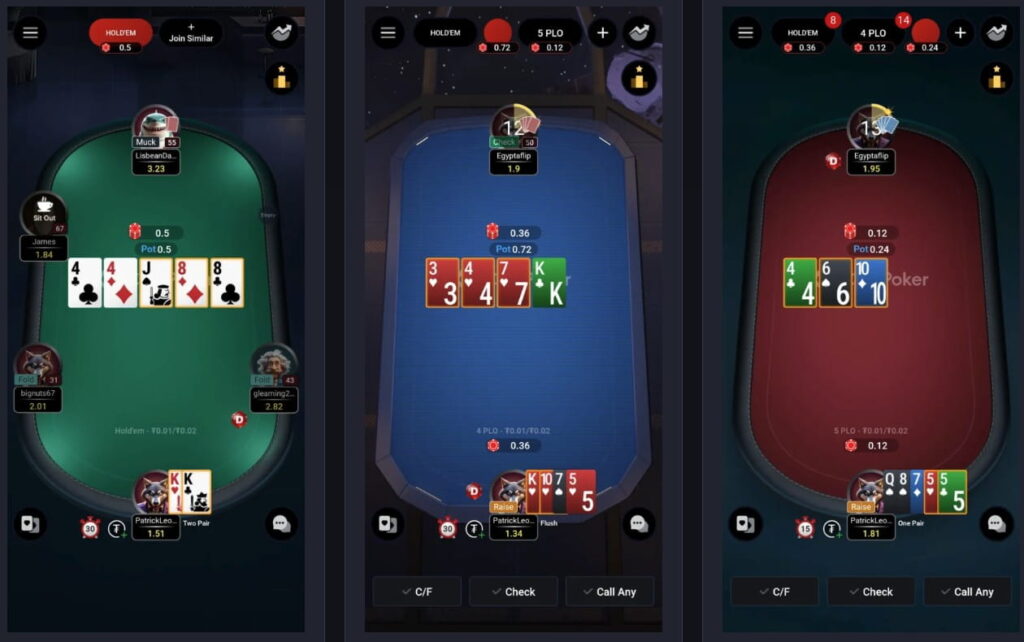
One last leak, for everyone grinding many tables at once. Marginal opens are a luxury for players with attention to spare.
King-three suited folded to you on the button is technically an open in a soft game, and it is worth maybe a tenth of a big blind. Your aces in position are worth ten big blinds or more, and playing them perfectly requires attention.
When you are playing 12 or 16 tables, every scrap of focus you spend squeezing pennies out of king-three suited is focus stolen from the hands that pay your bankroll.
So when you multi-table, tighten up the fringes and pour your attention into the big spots. Volume is how microstakes money is made, and volume punishes anyone trying to play every table like a hero.
Where you play matters too. Soft fields make every adjustment in this guide hit harder, and sites like ClubWPT Gold and CoinPoker stay full of exactly the casual players this article teaches you to beat, with low buy-ins and freerolls that let you start a bankroll from almost nothing.
Conclusion
Beating the microstakes is not about fancy strategy, it is about discipline on a handful of decisions your opponents get wrong every session. Fold the pretty-price junk, cut the early position cold calls, and attack wide ranges in position with hands that dominate them.
Then respect the one thing these games tell you loudly. Passive players who suddenly raise have the goods, and checked multiway pots are full of hidden pairs waiting for your bluff.
Grind those edges across enough tables, and enough sessions, and the microstakes stop being the games where strategy does not work and start being the most beatable poker online.