The river feels like the hardest street in poker, and for most players it is. The pot is biggest, the decision is final, and no draw is coming to save anyone.
But here is the secret of players who handle rivers well. They are not solving a hard problem on the river, they are executing a plan they made two streets earlier.
Almost every tough river spot becomes simple when you played the flop and turn with the ending already in mind.
This guide covers poker river strategy built around early planning, why the river rewards polarized betting, how to plan call-downs and barrels in advance, and how to recognize the rivers where the plan says stop, all in Texas Hold’em games.

Why the River Changes Everything
The river is unique for one simple reason. There are no more cards, so every hand is finished. You either hold the best hand or you do not, and nothing can improve.
That finality reshapes your betting range. With no draws left to semi-bluff, you bet the poker hands that win when called, plus a measured dose of bluffs, and the dose scales with your sizing.
Small river bets with modest value hands carry few bluffs, because worse hands can call a small bet and you do not need many folds. Big river bets with premium hands carry more bluffs, because the size itself forces your opponent into hard decisions.
Keep that pairing in mind through everything that follows. Size and range travel together on the river, and mismatching them, like betting huge with a marginal hand, is where river money quietly dies.
Plan the Call-Down Before It Starts
Now for the planning. Say you raise ace-four suited and the flop comes ace-eight-deuce. This board smashes your range, so betting is fine, but when I check back this flop, I already know the entire plan before the turn appears. Call any turn bet on any card, and call any river bet on any card, against everyone but the tightest player alive.
Why commit in advance? Because top pair here is a strong but marginal made hand, exactly the class that wins by bluff-catching, and the check-back invites worse hands to bet. Once the plan is set, no scare card and no bet sizing can talk you out of it mid-hand, which is precisely the point.
And accept what the plan includes. Sometimes the opponent shows up with ace-nine, and your call loses, and that is fine. If you only call rivers when you are sure you are winning, you are folding far too often, handing free pots to every aggressive opponent, and turning down calls that the pot odds comfortably justify.
Winning most of your planned call-downs is the goal. Winning all of them means you are not calling enough.
Barrels That Make the River Bluff Automatic
Planning works for aggression too, and the best example is the barrel that sets up its own river bluff.
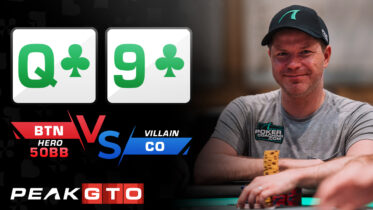
Take jack-ten suited on a nine-seven-six flop. You bet your gutshot with two overcards, and the turn ace is a gift, because your opponent’s check-calling range is full of king-nine and queen-seven type hands that just got weaker while the ace slams into your raising range. So you barrel again.
When the river king arrives, and your jack-high cannot win at showdown, the third bet is not a hard decision, it is the finish of a story you have been telling since the flop.
Think about the hand from your opponent’s chair. Big bet, big bet, big bet, on a board where you represent everything. Their marginal one-pair hands, their queen-highs, even some weak aces are all in agony, and the pressure you built street by street is what folds them.
A player who fires the flop and turn but freezes on the river wastes the whole setup, because the river bet was the reason for the first two.
Thin Value Wants a Tiny Size
Some rivers arrive quietly, checked through by both players, and the planning question flips to value. Here the details decide everything.
Give yourself jack-ten on ten-nine-seven after the hand checks down to a blank river. The bet is close, and the reason it is close teaches the concept. Compare it with holding ace-three on the same runout, which bets comfortably.
The difference is what your cards say about theirs, since holding an ace makes it less likely they hold one, while jack-ten leaves every ace in their range and runs into king-ten and queen-ten. Your own cards act as blockers that shift the math even when the hands look similar in strength.
When you do bet these junky-but-likely-best hands, go tiny. You are trying to get called by a nine or a seven, and a big bet folds those out while getting called only by the hands that beat you, which is the worst of both worlds. Against opponents who never call with worse, skip the bet entirely and take the free showdown.
Know When the Plan Says Stop
The final skill is hearing the alarm when it rings, because some rivers cancel the plan you made.
Bet jack-ten big on jack-ten-four, big again on a deuce turn, and watch the river complete the obvious straight and flush draws. Your two pair is still strong, but ask what happens to a third big bet. Everything worse folds, and everything that calls has you beaten.
So the plan flips to check, and when an opponent bets into you, the fold that felt impossible on the turn becomes routine, because checking through wins almost every time while calling wins almost never.
Two more alarms deserve permanent respect. When a small stakes player raises your river bet, they are almost never bluffing, so marginal hands fold no matter how suspicious it feels.
And in multiway pots, when there is a bet and a call before the action reaches you, overcall very tightly, because the caller cannot be weak with players still behind, and neither can you.
Conclusion
River mastery is mostly a scheduling trick. Decide on the flop which hands are bluff-catching to the end, which barrels are building toward a river bluff, and which value hands want one small bet, and the hardest street in poker starts playing itself.
Then stay alert for the exits. Draw-completing rivers turn value bets into checks, river raises turn marginal calls into folds, and bet-plus-call action multiway turns everything but the nuts into a pass.
Play your rivers this way for a month, planning early and respecting the alarms, and you will wonder why the street ever felt hard.