Being short-stacked on the bubble is one of the most uncomfortable situations in tournament poker. The blinds are rising, pay jumps are near, and every decision feels like it could end your run.
Many players respond by freezing up and waiting for premium hands that never arrive. Others panic and shove recklessly, ignoring ICM entirely. Both approaches are costly.
While medium stacks are constrained by the bubble factor, short stacks often gain freedom. Knowing how to use that freedom without torching your equity is the difference between bubbling and cashing consistently.
This article explains how to approach bubble play as a short stack, focusing on pressure, patience, and properly timed aggression.

Tip 1. Understand Why Short Stacks Experience Less Bubble Pressure
The bubble factor does not affect all stacks equally. Short stacks already face a high risk of elimination, which means the additional cost of busting is relatively smaller compared to medium stacks. You don’t have much tournament equity left to protect, so waiting too long often makes things worse, not better.
This is a crucial mindset shift:
As a short stack, your goal is not to avoid busting—it’s to avoid blinding out.
Because of this, short stacks are often required to take spots that medium stacks must pass on.
Tip 2. Passive Play Is the Biggest Mistake
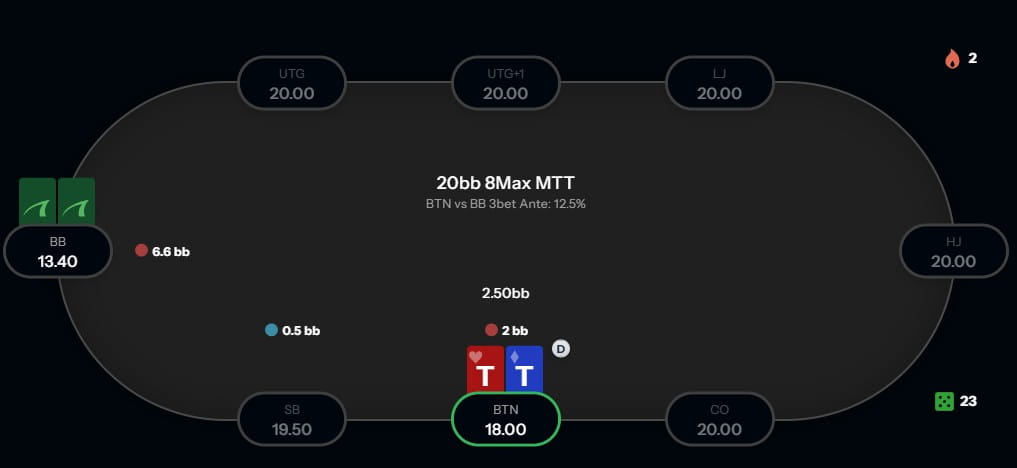
The most common error short stacks make on the bubble is becoming overly passive. Players convince themselves that folding into the money is the safest route, but in reality, this strategy frequently backfires.
When you fold too much:
- Your stack shrinks rapidly
- Your fold equity disappears
- Your opponents gain leverage
- Your future shoves get called wider
By the time you “wait for a hand,” you’re often forced all-in with almost no chance of survival.
From a coaching perspective, this is one of the clearest leaks in bubble play.
Tip 3. Shoving Is Your Primary Weapon
As a short stack, open-shoving becomes far more valuable than calling or min-raising. Shoving maximizes fold equity while minimizing postflop complexity. When you shove, you only risk elimination if called, and opponents are often reluctant to call because of the bubble factor.
This creates a powerful dynamic:
- You risk your stack
- Opponents risk their tournament life or equity
- Many correct chip-EV calls become ICM folds
This is why short stacks can often shove wider than expected on the bubble, especially into medium stacks who are trying to survive.
Therefore, the best targets for short-stack shoves are medium stacks, which have the most to lose. These players are squeezed between survival and chip accumulation and often fold hands they would normally call.
Big stacks, on the other hand, are more willing to call and apply pressure, so you should be more selective when shoving into them.
Tip 4. Position Still Matters, But Pressure Matters More
Position improves shove profitability, but bubble dynamics often outweigh positional considerations. Late position shoves remain ideal, but even earlier position shoves can be correct when bubble pressure is extreme, and opponents are overfolding.
If everyone behind you is incentivized to fold, your shove gains value, even with marginal hands.
This is especially true at passive tables where players are clearly trying to “just make the money.”
Tip 5. No More Calling With Short-Stacks
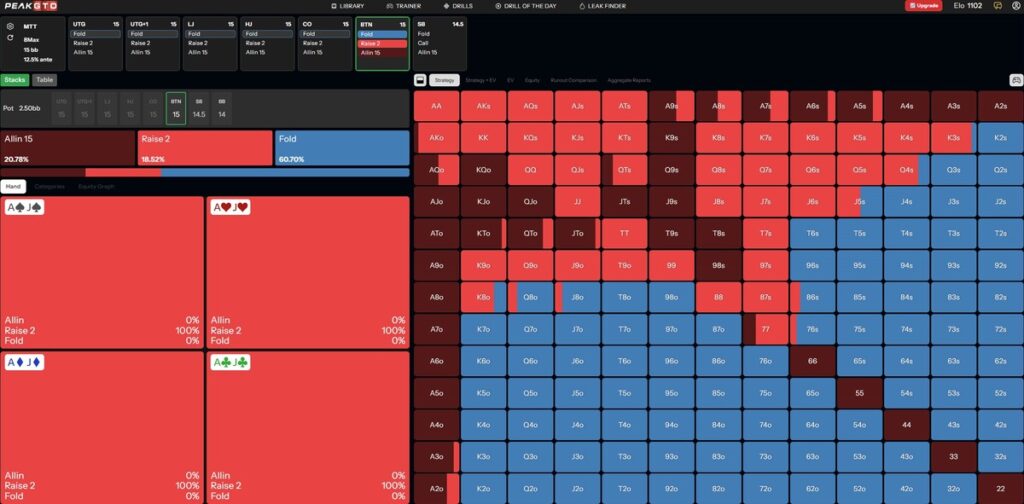
Calling off your stack is usually the worst option available. When you call:
- You give up fold equity
- You commit without applying pressure
- You allow opponents to realize equity
As a short stack, most of your tournament equity comes from forcing folds rather than winning showdowns. This makes push-or-fold strategies far superior to calling.
Conclusion
While medium stacks are handcuffed by bubble factor, short stacks retain the ability to apply pressure and force mistakes. The biggest risk is not busting but rather waiting too long and losing all leverage.
By embracing a shove-focused strategy, targeting the right opponents, and acting before desperation sets in, short stacks can turn bubble pressure into opportunity. In tournament poker, courage with structure beats fear every time.