
You have outlasted the whole field, and now there is one player between you and the trophy. It is the most valuable moment of the entire tournament, and for most players it is also the least practiced, because reaching heads-up happens rarely and everything about the game changes when it does.
Here is the first piece of good news. Second place money is already locked up, so the ICM pressure that shaped the final table mostly evaporates, and you are finally free to play for the win.
The second piece is that the skills that close out a heads-up match are learnable, and watching elite players battle one-on-one shows the same patterns over and over.
This guide covers heads-up tournament strategy for the endgame, controlling pot sizes, betting in a way nobody can read, taking the thin value that decides close matches, and handling the short stack phase where most titles are actually won.

Play Medium Pots With Medium Hands
The heartbeat of strong heads-up play is matching pot size to hand strength. Big pots want big hands, small pots want weak ones, and the marginal hands in between want medium pots, which means your job is keeping them there.
Watch how great players handle king-high and middle pair. They check back flops, call one bet when the price is fair, and refuse to raise with top pair weak kicker, because raising and getting called usually means bad news.
When an opponent occasionally spikes a cheap card to beat their middle pair, they lose a small pot and shrug, which is precisely the point. The amateur watching thinks they misplayed it by not betting earlier. The pot stayed medium with a medium hand, and that is the win.
The companion skill is accepting that you will not know where you stand. Call the flop with king-high, fold when the turn bet arrives, and be at peace when it occasionally folds the best hand. I am probably too much of a calling station in these spots myself, but against an opponent capable of bluffing, paying off the occasional value bet with a decent bluff catcher beats folding your way out of the match.
Keep One Bet Size for Everything
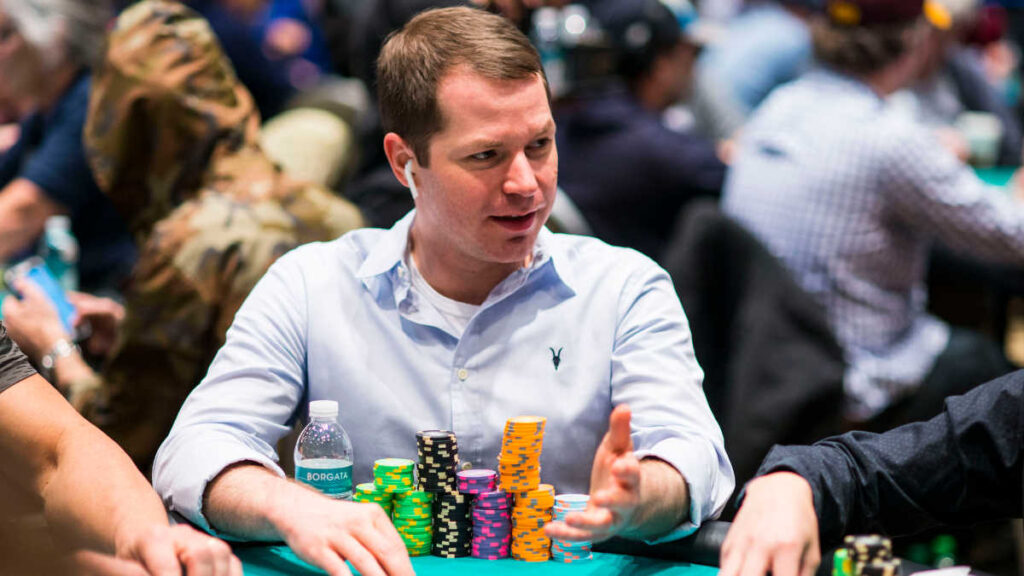
Here is a habit worth stealing directly from the best heads-up players alive. When they bet, the size is almost always the same, somewhere around two-thirds to three-quarters pot, regardless of what they hold.
Think about what that does to your opponent. A player who bets big with strong hands and small with weak ones hands over a road map. A player whose value bets, bluffs, and thin bets all arrive at the same size gives away nothing and forces the opponent back onto guesswork against a balanced, game theory optimal style that is miserable to play against.
The exception is when your range is obviously polarized, like jamming a scary river where you hold either the nuts or a busted draw. There, one big size for everything is still the answer, it is just a bigger one. What you never want is sizing that varies with your exact two cards, because observant opponents heads-up have nothing to study except you.
Value Bet Thinner Than Feels Comfortable
Close heads-up matches are decided by single bets, and the best players collect ones most people skip.
Middle pair is the classic example. It is usually worth exactly one street of value, and the best street is often the river, after the hand checks down and your range looks weakest.
When a match reaches the river through checks, hands like pocket eights and even pocket fives bet comfortably, because the opponent’s range is stuffed with ace-highs and small pairs that pay. In limped pots, the bar drops further, and even jack-high on a king-queen-five board carries real showdown value, since the poker hands that beat it would usually have raised.
Middle pair also upgrades from a check-down hand to a value bet the moment the board turns draw-heavy, because now betting charges live draws and still gets called by worse. There is a limit, of course.
Betting king-high into a range that never calls with worse is spew, not thin value. The question to ask is always the same. When this bet gets called, do I win often enough? Against ranges full of ace-high, the answer is yes far more often than most players believe.
Deny Your Opponent Clean Information
Weaker players hand out information constantly, and heads-up it gets punished faster than anywhere else.
The clearest example is check-raising every strong hand. A player who always check-raises trips has announced that when they only call, their range is capped, and a good opponent can barrel them relentlessly.
Strong players call with some monsters precisely so their calling range stays protected, and nobody gets to bluff with confidence.
The same logic works in reverse, reading the information your opponent leaks. When they check back a coordinated flop, they rarely hold the top pairs and aces they would have bet, so later streets become bluffable.
And learn the lesson of the failed barrel. Firing one bet with air is fine, but when you get called and the turn is a card that improves nothing, continuing is burning chips, because a paired or connected runout means the calling range never folds.
Bluff when the runout attacks their range, give up when it does not, and use the bottom of your range for the river bluffs your value hands deserve.
The Short Stack Endgame
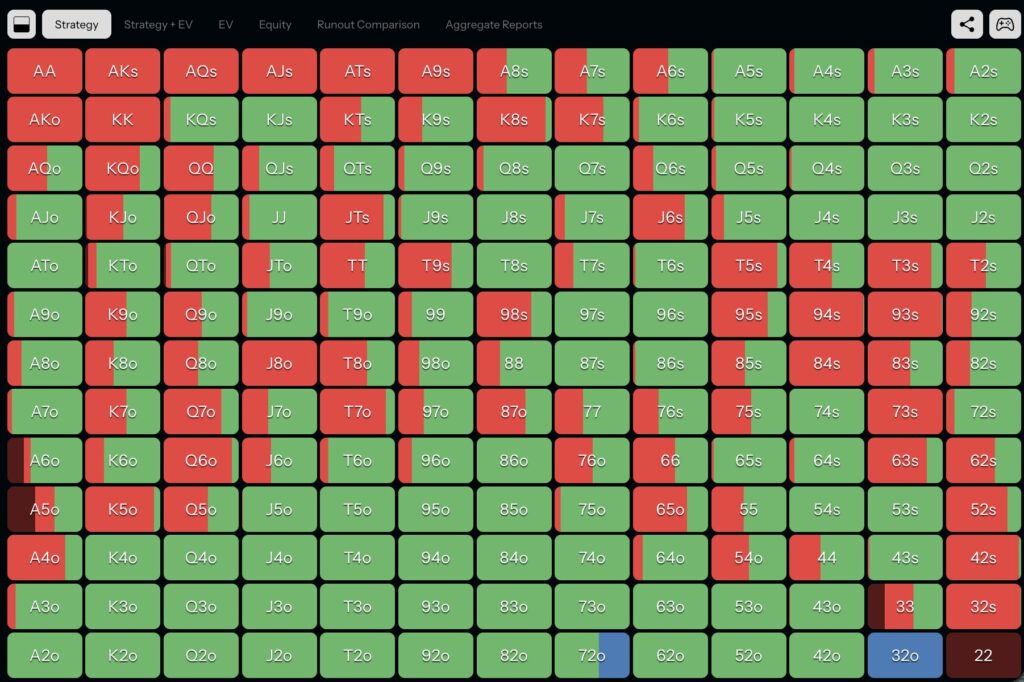
Every tournament heads-up match eventually compresses, and once stacks fall toward 20 big blinds and below, the whole strategy shifts one more time.
Limping becomes a weapon. Deep stacked, limping then calling a shove makes no sense, but at 20 to 25 big blinds, hands like ace-six offsuit and king-jack limp happily, because when the opponent jams over the limp, you call and you are thrilled.
The min-raise-or-fold framework gives way to a limp, jam, and call structure where your medium-strength hands stop being awkward and start trapping.
Facing shoves, sort your opponent first. Against a player who open-jams or folds everything, calls as wide as king-three are standard, because their shoving range is close to random.
Against a player who limps their middling hands, tighten up, because their shove ranges are now weighted toward the hands that beat your loose calls. And expect swings. You will fold five or six hands in a row, feel like you are getting run over, and none of it matters, because one called jam decides more than an hour of small pots.
Conclusion
Closing out a tournament heads-up comes down to a short list. Keep medium hands in medium pots, bet one unreadable size, take every thin value bet the checks offer you, and leak nothing while reading everything.
Then respect the phase change. When stacks get short, shift into the limp-heavy endgame, call shoves according to who is shoving, and stay patient through the card-dead stretches that make every heads-up match feel like a wrestling hold.
Most players reach this moment once or twice a year and improvise. Walk in with a plan for both the deep and shallow phases, and the last opponent of the night is usually the easiest one you faced.