Showdown value is one of the most useful ideas in poker, because it tells you which hands should bluff, which hands should value bet, and which hands should simply get to showdown as cheaply as possible.
This guide explains what showdown value means, how to tell if your hand has it, and the mistakes that cost players the most money with these in-between hands.
Key Takeaways 45-second read
- Showdown value is a hand’s chance to win if the hand checks down, because medium hands can beat missed draws and bluffs without improving.
- Don’t turn hands with showdown value into bluffs, because worse hands fold and better hands call.
- Bluff with hands that have no showdown value, because folding your opponent is the only way they win.
Show all 6 takeaways
- Bet small with showdown value only when worse hands call, because otherwise a check gets you to showdown cheaply.
- Sort your river hands into value, showdown value and no showdown value, because each group plays a different way.
- Use showdown value as a bluff catcher only when your opponent bluffs enough, because a hand that wins checked-down pots can still be a fold to a big bet.

What Is Showdown Value in Poker?
Showdown value is a hand’s chance of winning the pot if nobody bets again and the cards are turned over.
A hand with showdown value can win without improving. Middle pair, a weak top pair or even a good ace-high often beat a missed draw or a bluff. A hand with no showdown value almost never wins at showdown. Think of a missed flush draw, or a low card hand that never paired.
Showdown value also changes from street to street. Ace-high on the flop can be the best hand, then lose most of its value once the turn and river bring cards that pair your opponent’s hands.
Most hands sit somewhere between the two. They’re too weak to bet for value, because better hands call and worse hands fold, but they’re strong enough to win a fair share of the time if the hand checks down.
That middle zone is where showdown value matters most. If you’re new to how a hand reaches the river, our Texas Hold’em rules guide walks through each betting round.
How to Tell If Your Hand Has Showdown Value
Ask yourself one simple question. If I check, and my opponent checks behind, how often do I win?
To answer it, think about what your opponent can have, not just what you have. Ace-high is a weak hand by the poker hand rankings, but it can still be good when your opponent has plenty of missed draws and bluffs.
A few signs your hand has showdown value.
- It beats the draws. If the obvious draws missed, a pair or a high ace often wins.
- It beats your opponent’s bluffs. If they bluff with worse hands, your hand can catch them.
- Board texture keeps it relevant. Ace-high on a board like 8-8-8 still beats every hand that doesn’t have an eight or a pocket pair.
A few signs it doesn’t.
- It’s the bottom of your range. Nine-high or a missed low draw rarely wins.
- Every worse hand has already folded. If only better hands are left, your hand’s showdown value is close to zero.
Don’t Turn Showdown Value Into a Bluff
The most common mistake with showdown value is betting a hand that would win at showdown anyway.
Here’s why it’s a problem. If you bet a medium hand as a bluff, the worse hands fold and the better hands call. You’ve turned a hand that won some of the time into one that only wins when better hands fold, and they rarely do.
Our coaches use a simple spot to show this. Say you hold ace-queen on a 10-8-4 board and you missed. On the turn, it’s tempting to keep betting. But ace-queen has showdown value against missed draws and bluffs. The better hands to bet are king-queen and king-nine, which have no showdown value but can still fold out better hands.
The lesson is to bluff with hands that can’t win any other way. Keep the hands with some showdown value in your checking range, and be OK losing a small pot with them sometimes.
When to Bet a Hand With Showdown Value
That doesn’t mean you should always check these hands. Sometimes a small bet is better.
The question to ask is will my opponent call a tiny value bet with a worse hand? If yes, a small bet can win more than checking. If no, check and take your free showdown.
Here’s a spot from our coaching. You hold ace-seven on an 8-8-8 flop. Your ace-high has real showdown value, because your opponent misses this board most of the time.
On the turn, a small bet of $5 into $9 gets called by worse hands like king-high, queen-high, and small pocket pairs. Then on the river you check back, because a bigger bet would only get called by hands that beat you.
Thin bets like this are part of value betting, and they work best against players who call too much.
Against calling stations, you can value bet weaker hands than usual.
Sometimes the answer is no, though. With a weak ace like ace-five, if your opponent won’t call a small bet with anything worse, check and fold to a big bet. That isn’t weak play. It’s just not paying off hands that beat you.
When You Have No Showdown Value
Hands with no showdown value play the opposite way. If you check, you lose. So the only way to win the pot is to bet.
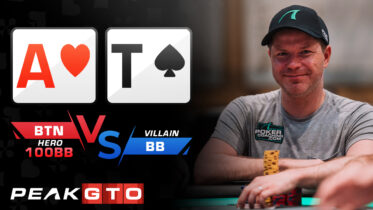
Take ace-nine of spades in a $1/$2 game. You raise, the small blind calls, and the flop comes J-8-6 with no spades. You have no pair and no real draw, and this board hits your opponent’s calling range, so you check behind. The turn is a king, and your opponent checks again.
Now think about what happens if the hand checks down. Ace-high almost never wins.
But after two checks, your opponent has a lot of underpairs that will fold to a turn and river bet, so this hand is a good candidate to bet the turn and follow through on the river. Against a player who calls everything, give up instead, because a bluff only works when folds are possible.
This is why missed draws make such good river bluffs. They give up nothing by betting, because they never win by checking. Hands that still have outs on earlier streets are the semi-bluffs, and those that miss turn into the river bluffs.
I like to sort my river hands into three groups before deciding. Strong hands bet for value, hands with showdown value mostly check, and hands with no showdown value either bluff or give up.
Showdown Value When You’re Facing a Bet
Showdown value also helps you decide whether to call.
When your opponent bets the river, a hand with showdown value becomes a bluff catcher. It can’t beat their value hands, but it beats their bluffs. Whether to call depends on how often they’re bluffing and what price the pot gives you. Our guide to bluff catching covers how to make that call.
Don’t use showdown value as an excuse to call everything, though. If your opponent rarely bluffs, a hand that would win a checked-down pot can still be an easy fold to a big bet.
Conclusion
Showdown value is a hand’s chance to win if the betting stops. Hands with it usually want to check and get to showdown cheaply, while hands without it are your best bluffs.
Before you bet a medium hand, ask whether worse hands can call. If they can, a small value bet works. If they can’t, check.
Get this right, and you’ll stop bluffing away pots you were winning, and start bluffing with the hands that can’t win any other way.
FAQ About Showdown Value in Poker
What does showdown value mean in poker?
Showdown value is your hand’s chance of winning if the hand checks down to showdown. Hands like middle pair or a strong ace-high have it, while missed draws usually don’t.
Does ace-high have showdown value?
Often, yes. Ace-high can beat missed draws and bluffs, especially on boards where your opponent misses a lot. It’s weaker when your opponent’s range is full of pairs.
Should you bluff with hands that have showdown value?
Usually not. Betting a medium hand as a bluff folds out the worse hands and gets called by better ones. Bluff with hands that can’t win at showdown instead.
What is a hand with no showdown value?
A hand that almost never wins if the pot is checked down, like a missed flush draw or a low unpaired hand. These hands make the best bluffs, because checking gives up the pot.
Can you value bet a hand with showdown value?
Yes, with a small bet, when worse hands will call. If only better hands will call, check and take the showdown instead.