

Rake in poker is the commission the house takes from every cash game pot or tournament buy-in, typically ranging from 2.5% to 10% of the pot in cash games, capped at a preset maximum.
It is how every poker room, casino, and online site earns revenue, since poker is played between players rather than against the house.
I have coached hundreds of poker players who were playing a technically solid game but still losing money, and in many of those cases, a closer look at the rake structure they were playing in explained a significant portion of the gap.
Understanding how rake works, what it costs you, and how to adjust your strategy accordingly is not optional if you want to be a long-term winning player.
Why Do Casinos and Poker Rooms Charge Rake?
I have often witnessed poker players complain about the rake in their games being too high or even question the legitimacy of the poker rake overall. That said, casinos and online poker rooms can only profit from poker through rake, so this is the only way to have the games running.
Of course, the exact cost of a rake can be heavily debated depending on many factors, but the reason for charging a rake in poker games is more than clear.
Big casinos also profit from players playing poker by having them join the pit games in their breaks or after poker games, but this does not mean they should not be charging rake at the tables.
How Much Rake in Poker Is Reasonable?
So, how much poker rake exactly does it make sense for the organizer to charge, and what factors should influence the decision? First of all, there is the cost of throwing a poker game.
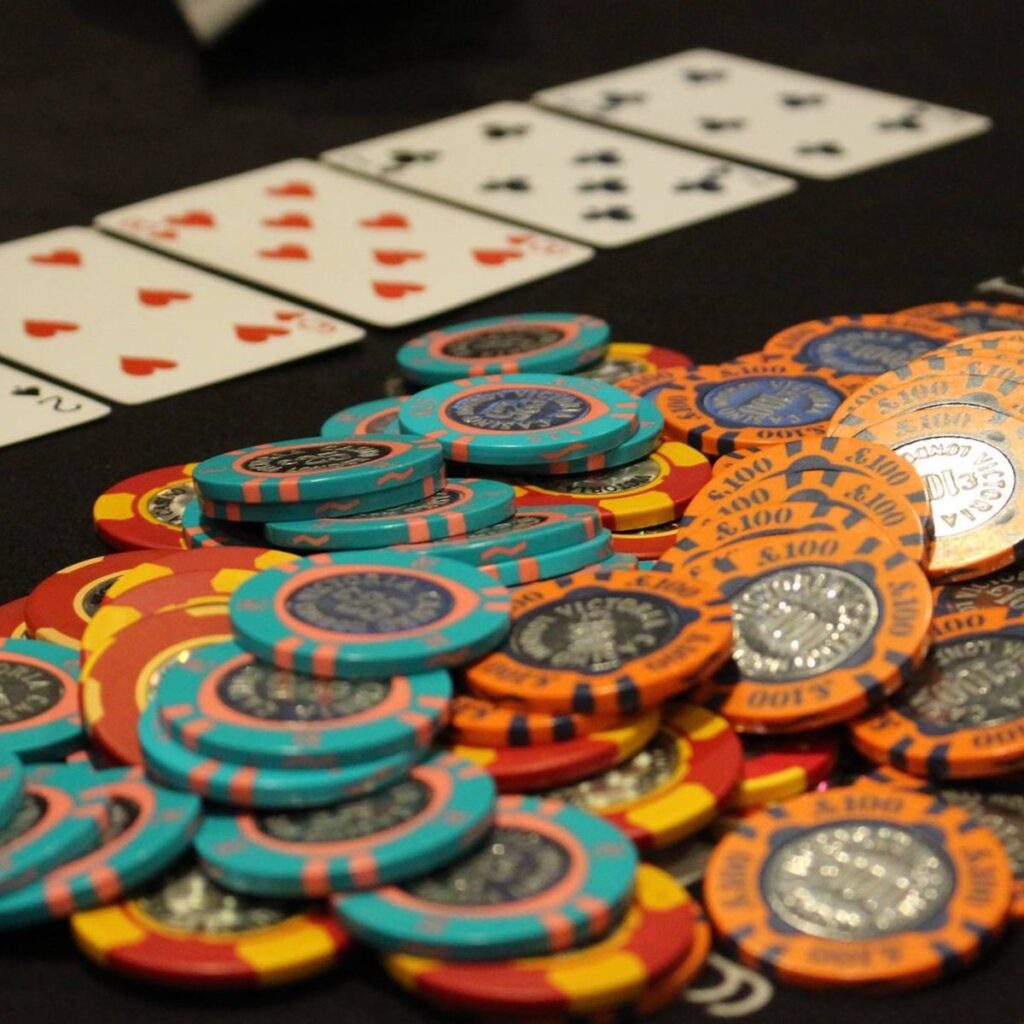
This cost is obviously much higher in live poker than online poker, which is why live games typically charge more rake than online sites.
Furthermore, all poker rooms also look to capitalize more from higher stakes players, but it is worth saying that playing higher stakes is good for the players in terms of rake.
This is because casinos don’t progressively increase the rake at the same pace as the stakes but rather only increase the rake a bit, even if the stakes are much higher.
For example, a $1/2 game might charge a 10% rake with a cap of $5 per pot, while a $100/200 game might have a cap of $25 or $50 per hand, which is just a quarter of a big blind, compared to 2.5 big blinds at the lowest stakes.
The debate on how much rake should be charged in different games has often sparked big conflicts, especially regarding rake in real money poker apps.
Some big names have debated that “more rake is better” in online poker, as it allows poker sites to incentivize recreational poker players more and give them back more, but the jury is still out on that.
In either case, you should always think about the fact that poker rooms need to pay their staff, their rent, server costs, and whatever other costs they may have before they even start making any profit.
Since all poker rooms and casinos are businesses looking for profit, you must also understand that no one would run your games if they were not making something out of it, which is why you must accept a reasonable rake and move on.
Different Types of Rake in Poker
Now that you understand what rake is and why it is charged, let’s talk about how it may be collected in different poker rooms.
Beyond learning the poker basics, by learning about different types of poker rake, you will not be surprised when you come into a new poker room only to be informed you need to pay rake one way or another.
These are the most popular and common ways a casino may charge you rake in poker, so make sure to remember them and how they work:
Pot Rake (Percentage of the Pot)
Most commonly, poker rooms and casinos will charge a rake every hand, with a certain percentage of the pot being taken by the dealer at the end of the hand.
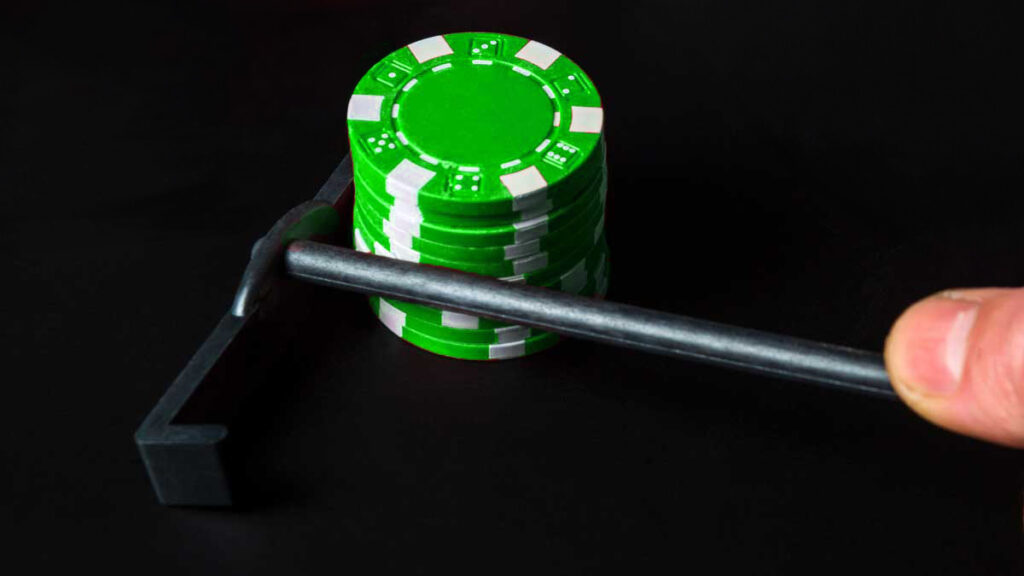
This percentage can vary anywhere between 2% and 10% of the pot and is usually capped at some amount ($5 at lower stakes, up to $50 at higher stakes).
Most commonly, the “no flop, no drop” rule is also applied, meaning no rake will be charged from pots that don’t reach the flop (if all players fold or the action is otherwise finished preflop).
In low stakes games with a high rake percentage, rake will often reach the cap, which means all players will be paying quite a high overall rake per hour in this rake model.
However, this rake model benefits high-stakes players quite a bit as the rake cap is usually quite low compared to the blinds at higher stakes.
How Rake Is Calculated: Dealt, Contributed, and Weighted Methods
The method a poker room uses to calculate and distribute rake matters most when you are tracking your rakeback or comparing the effective rake at different online sites. There are four main calculation systems in use:
- Dealt rake assigns an equal share of the rake to every player who was dealt into the hand, regardless of whether they put money into the pot. If six players are dealt in and the pot generates $3 in rake, each player is credited with $0.50 of rake paid. This method is friendlier to tight players who fold often.
- Contributed rake only credits players who voluntarily put money into the pot. If you fold preflop, you receive no rakeback credit for that hand. This system rewards aggression and penalizes folding.
- Weighted contributed rake is the most precise and most common method at major online sites. Each player receives rakeback credit proportional to the amount they contributed to the pot. If you put in 60% of the pot, you are credited with 60% of the rake. This is the fairest system and directly rewards winning more of each pot.
- Hybrid rake adjusts the calculation based on player volume or activity indicators. It is less common and varies by site.
I find that most serious online grinders are on sites using weighted contributed rake, which means your rakeback rewards reflect how aggressively and successfully you play. Knowing your site’s calculation method matters when you are deciding where to invest your volume.
Time Collection

In some casinos and poker rooms, the operator will charge you a rake for your time at the table (per hour or half hour).
The cost of rake per hour may depend on the stakes you are playing in some places, while it will be the same across the board in others.
In poker rooms where the same time collection is charged regardless of stakes, players are heavily incentivized to move up to higher stakes and pay less rake in bb per hour of play.
Dead Drop Rake
Another way of charging the rake, which is less common in poker games these days, is the dead drop rake model.
In this rake model, the player holding the dealer button must pay a preset amount or rake for the hand, which the dealer collects before dealing the cards. When dead drop is in play, there will be no rake at the end of the hand, and the size of the pot will not impact the size of the rake.
This way of charging rake incentivizes looser play, as playing more hands and more big pots does not end up costing you any extra money.
Tournament Fees
In tournament poker, the chips used at the tables have no real monetary value, which is why poker ICM defines the value of chips. Therefore, the rake is charged before the tournament even starts.
The operator will charge you a percentage of the buyin fee as a rake and may charge a further percentage for tournament staff or as obligatory tips.
For example, if you are playing in a $100+$10 buy-in tournament, the $100 would go to the prize pool, and $10 is collected by the operator as a rake.
Generally speaking, online poker rooms charge much lower tournament fees than live poker rooms, but the much softer fields in live poker rooms usually compensate for the difference in value.
What Is Rakeback in Poker?
Rakeback is a partial refund of the rake you pay, offered by online poker sites or their affiliate partners as an incentive for players to keep their volume on a particular platform. If you pay $100 in rake during a month and your site offers 30% rakeback, you receive $30 back at the end of the period. It is a straightforward concept, but its impact on long-term profitability is significant for anyone grinding meaningful volume.
I will say this plainly: for serious online cash game players, rakeback should be a factor in your site selection, not an afterthought. The difference between a 20% and a 35% rakeback deal can represent hundreds of dollars per month for a player putting in real volume. At micro-stakes especially, rakeback can be the difference between a breakeven grind and a genuinely profitable one.
There are two primary rakeback calculation models in common use. Dealt rakeback distributes an equal share to every player dealt into the hand, regardless of how many chips they put in the pot.
Contributed rakeback only rewards players who put money into the pot, meaning tighter players receive less credit per hand. Most major modern online sites now use weighted contributed rakeback, where your credit is proportional to your actual contribution to the pot. If you put in 60% of the money in a given hand, you earn 60% of the rakeback for that hand.
If you are choosing between two otherwise comparable sites, understand their rakeback model and percentage before committing your volume there.
How Rake Should Impact Your Play

Rake has a larger impact on your win rate than most players realize, and I have seen this firsthand while reviewing student hands from lower-stakes games. The core principle is straightforward: higher rake forces tighter play.
Every additional pot you enter costs money in rake, so marginal hands that might break even in a low-rake environment become losing plays when the casino is extracting 10% from every pot.
The concept that explains this most clearly is equity realization. Not all starting hands realize their full theoretical equity in practice.
Hands like suited connectors and small pocket pairs rely on seeing cheap flops and winning big pots when they connect. In a high-rake environment, those cheap flops are not cheap at all.
A hand that theoretically has 35% equity against your opponent’s range might only realize 25% of that equity after rake costs are accounted for, because the speculative lines you need to extract value become too expensive to enter profitably.
This is why premium pairs, big Broadway hands, and suited cards with strong runout potential hold their value better in high-rake games than speculative holdings with uncertain equity realization.
The adjustments I recommend: tighten your preflop opening range, fold more often to 3-bets rather than calling with marginal holdings, consider 4-bet bluffing more to pick up pots before the flop, and play tight from early positions where your positional disadvantage compounds the cost of rake.
PokerCoaching’s native solver, PeakGTO, lets you run rake-adjusted simulations to see exactly how specific hands and spots change in value as the rake percentage rises. If you are grinding a specific live room or online site, building rake into your solver work will show you precisely which spots in your game are most affected.
Playing in Games with Timed Rake
I have played in a number of poker rooms that have switched to a time-based rake structure, and the strategic adjustment is noticeable if you are paying attention. More and more poker rooms are moving to this model, charging a flat hourly fee rather than skimming a percentage from every pot. The speed benefit is real: dealers are not stopping to calculate and collect rake after each hand, which means more hands per hour and a faster overall pace at the table.
The strategic implication is the opposite of what you do in a percentage-rake game. Because you pay the same fee per hour regardless of how many pots you play or how large those pots get, there is no direct penalty for being involved in more hands. Looser play is genuinely incentivized here.
Any edge you can find from a wider range, more creative bluffing lines, or mixed-strategy play in spots where you might fold in a percentage-rake game translates directly into additional profit.
Since you pay the same amount of rake per hour regardless of the number of poker hands, loosening up your range can make quite a bit of sense.
You also don’t need to worry about winning pots preflop to avoid rake, as you will not pay any extra rake regardless of how far the hand gets.
For these reasons, playing more aggressively in the games with time-based rake makes more sense, as long as you don’t go too far and start playing hands that simply can’t make a profit in given situations.
Final Words on Rake in Poker
Whether you like it or not, the rake is an integral part of all poker games in the world, and you will have to pay the rake if you want to play poker for real money.
That said, different places charge rake in different ways, and some games make more sense than others to play in, depending on the rake structure.
Before you join any real money poker game, make sure to understand the rake structure you will be getting yourself into and figure out the best strategy to counter the rake implications.
At the end of the day, rake won’t make a massive difference if you are a winning player, but I recommend building your bankroll and trying to move up the stakes as early as possible to avoid paying excessive rake, which is often present at the lowest of stakes.