Heads-up poker looks simple. Two players, wide ranges, constant action. Then you actually play a match, and the blinds hit you every single hand, every decision is yours alone, and the leaks you could hide at a full table get exposed in twenty minutes.
I have spent a lot of time reviewing matches between elite heads-up players, and what stands out is not some secret advanced move. It is how consistently they avoid a few basic mistakes that beginners make over and over.
Here are the three biggest ones, straight from watching the best in the world play Texas Hold’em heads-up, plus a few of their habits worth stealing.

Mistake #1. Playing Every Single Hand
Beginners hear that heads-up means playing loose and take it to mean playing everything. It does not.
Even the best players in the world fold the bottom of their range on the button, hands like nine-deuce and seven-deuce offsuit. These poker hands win small pots and lose big ones, and no amount of skill fixes that.
In a recent webinar, someone told me they always add hands like eight-three offsuit to their raising range so they “can have anything.”
That is not a strategy, that is a donation. You do not want a range where you can have anything. You want a range where your junk at least has potential.
Now, the flip side matters just as much. From the big blind you do have to defend wide, because if you fold too often, your opponent profits by raising any two cards. Against a small raise, your pot odds make hands as weak as king-four offsuit and jack-six offsuit perfectly fine calls. So the rule is simple. Defend wide, attack wide, but let the true trash go, and never feel like you must play every pot.
Mistake #2. C-Betting Every Flop
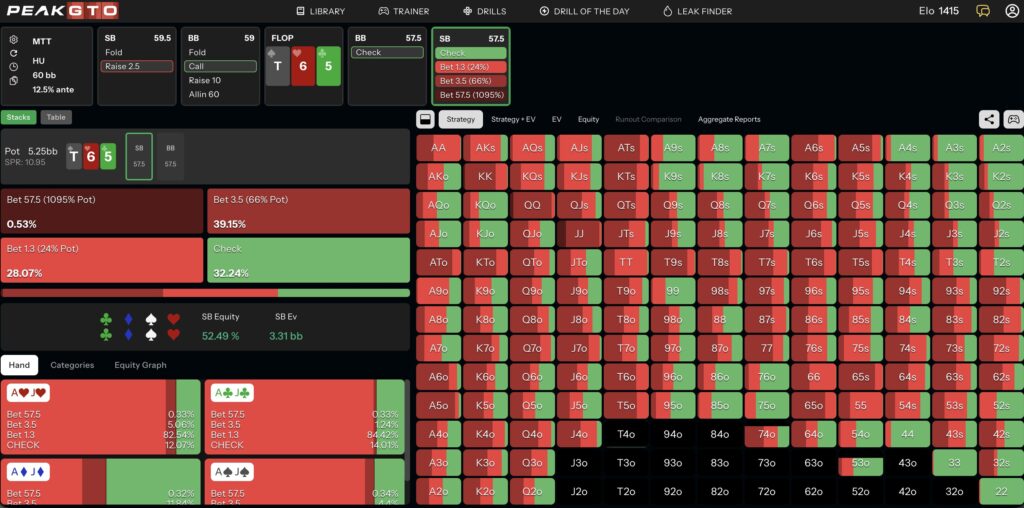
Small stakes players raise preflop and then bet almost every flop, as if the continuation bet were part of the raise. Elite players do nothing of the sort, and their checks follow two clear patterns.
First, they check hands with marginal showdown value. Watch a great player check back king-high on a raggedy flop. It looks passive, but think it through. If he bets and gets called, he is usually behind, and if he is ahead, his opponent is drawing to about six outs. The hand wins plenty at showdown all by itself, so betting accomplishes nothing.
Second, they check their absolute garbage too, the hands with stone zero equity. The hands they do bluff with are the ones holding backdoor draws, because those can improve and keep bluffing later. Eight-five with a backdoor flush draw bets. Eight-five with nothing gives up.
And here is the part beginners worry about. Does checking your medium hands make your c-bets weak? No, it makes them polarized. When you do bet, you have either a strong hand that fears no check-raise or air you happily fold. Clean decisions everywhere.
Mistake #3. Betting When Only Better Hands Call
This is the most expensive mistake of the three, and the hardest habit to break.
In one hand I reviewed, a very good player bet half pot on the turn with king-high. Ask the only question that matters. What calls? Every pair calls. A better king-high probably calls. And everything worse folds. When it checks down, king-high often wins the pot anyway, so the bet risked money to fold out hands he was already beating.
Marginal made hands want to get to showdown cheaply. That is the whole concept of showdown value, and it applies on every street.
It also applies to river raises, where beginners love to raise “for value” with hands that only get called by better. Before you put in that raise, ask yourself whether you are happy when your opponent calls. If the honest answer is no, just call or fold.
One more layer for when you are the one value betting thin. Against a strong opponent, size your bets so you could plausibly have bluffs, because a tiny river bet that screams marginal value invites good players to make correct decisions. Bet the size your bluffs would want, and your value hands get paid more.
Habits Worth Stealing From Elite Heads-Up Players
A few more patterns from the match reviews, in quick succession.
Fast play your big hands when deep. When a great player flops a set 100 big blinds deep, he bets immediately, because deep stacked poker is about building big pots with big hands, and slow playing wins small ones.
Build your 3-bet strategy with the right hands. Elite players three-bet their best hands for value plus small suited connectors as bluffs, hands that give surprise board coverage on low flops. What they avoid is the mushy middle, hands like ace-eight offsuit, which fold out all their profitable equity the moment a shove comes in.
Let stack sizes drive your sizing. Deep, they three-bet huge out of position to deny good pot odds. As stacks shorten, they size down, because the opponent is committing a bigger slice of their stack and getting worse implied odds anyway.
And respect the first sign of life. When an opponent three-bets for the first time in 27 hands, the top of your range is a fold. Patterns mean things, and the tighter the pattern, the louder the message.
Conclusion
Heads-up poker is not won with fancy plays. The matches I review are decided by who avoids the basic mistakes more consistently, and all three of the big ones trace back to one habit, betting or playing without asking what it accomplishes.
So run the checklist. Does this hand belong in my range at all? Does this bet get called by anything worse? Would checking win me the pot often enough anyway?
Ask those questions every hand of a heads-up match and you will be playing closer to the elite blueprint than most players ever get, no solver subscription required.