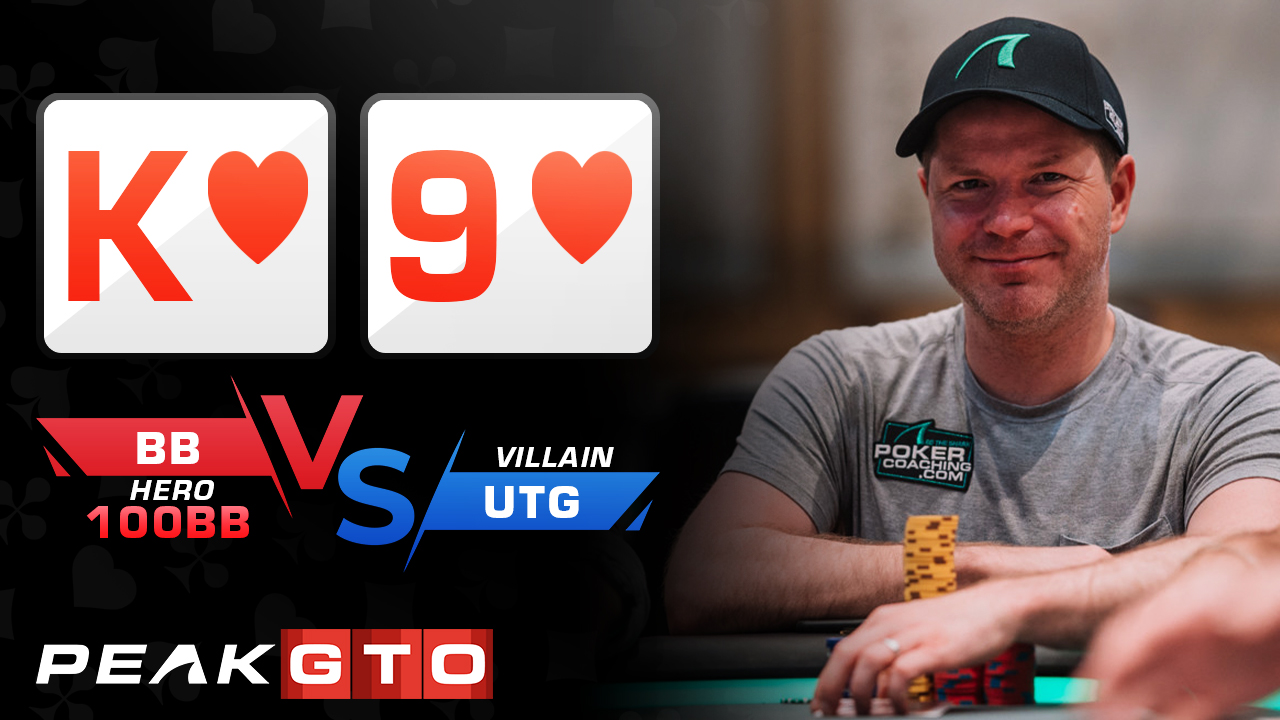
You raise with king-queen and get called. The flop comes Q-J-4 with two spades, you bet, and your opponent calls. The turn is the eight of diamonds.
You probably have the best hand. But if you bet again and get raised, you’re stuck. If you check and your opponent checks behind, every draw on that board gets a free card.
That decision is what pot control is about. This guide explains what pot control in Texas Hold’em means, the question to ask before you bet a medium-strength hand, which hands should check and which should keep betting, and how the player you’re against changes the answer.

What Is Pot Control in Poker?
Pot control means keeping the pot small with a hand that’s good but not great, usually by checking instead of betting.
The idea is simple. Medium-strength hands win a lot of small pots and lose most big ones. What matters isn’t where one pair sits in the poker hand rankings, it’s how it does against the hands that are willing to put a lot of money in.
When a lot of money goes in, the hands your opponent keeps playing with tend to be the ones that beat you. So with a hand like top pair weak kicker or middle pair, you’d rather get to showdown cheaply than build a pot you can’t win.
Pot control is not the same as playing scared. Strong hands should still build big pots. Pot control is for the hands in between, the ones that can’t stand a raise but are too good to fold.
The Question to Ask Before You Bet
Before you bet a medium-strength hand, ask what the bet is supposed to do. With a hand that’s likely good but not a monster, a bet has three jobs.
- Get called by worse hands.
- Protect your hand against draws.
- Get accurate information when your opponent has you beat.
Then ask what can go wrong. There are two bad outcomes.
The first is betting and getting raised. With a marginal hand out of position, that’s usually a disaster. You probably have to fold, or you call and face a guessing game on the river for a lot of money.
The second is checking and watching your opponent check behind on a board full of draws. Now every flush draw, straight draw, and overcard gets a free card to beat you.
Of the two, getting raised is usually worse. That’s why, when you’re not sure what to do if you get raised, you should usually check.
Which Hands Want Pot Control

Go back to the king-queen hand. On Q-J-4-8 it’s close, but it’s a bet against most players. It still gets called by worse queens, jacks with an overcard, gutshots and flush draws, and it’s very vulnerable to a bad river.
Now weaken the hand and watch the answer change.
- With queen-seven, check. Worse queens are much harder to get value from, and plenty of jacks are still around.
- With king-jack, check. When you bet middle pair here and get called, you’re usually behind.
- With ace-jack or jack-ten, check and plan to call. A bet gets called mainly by draws and queens, and the queens have you beat.
The rule is that as your hand gets weaker and it gets harder to get called by worse, you should lean more toward checking.
Bad Turn Cards
The turn card matters as much as your hand. On Q-J-4, a turn ten puts queen-ten, jack-ten and straights in your opponent’s range, so king-queen should usually check. An offsuit two changes nothing, so keep betting.
A turn that completes the flush draw is the easiest one. If you don’t have the suit, check and call with your medium hands against most players. Betting gets called by flushes and folds out the hands you beat.
Pot Control In Position
In position, pot control is even easier, because checking back ends the betting on that street. You see the next card or a showdown for free and can pick off bluffs later.
This is why second pair on a flop like K-8-7 is a great hand to check back from the button. You have plenty of stronger hands to bet and plenty of draws to bluff with, and your cash game strategy gets simpler when your medium hands aren’t building big pots. Acting last is a big part of what makes position so valuable.
When to Bet Anyway

Pot control is a tool, not a rule. Sometimes betting a medium hand is clearly better.
When You’re Usually Good but Easy to Outdraw
If your hand is almost always best right now but very likely to get outdrawn, bet, and bet fairly big. Worse top pairs, middle pairs, and draws will still call, and you get more money in while you’re ahead. King-queen on Q-J-4-8 is exactly this hand.
Against Straightforward Players
Most small and medium stakes players are straightforward. They call with medium hands and draws, raise only with very strong hands, and rarely raise as a bluff.
Against them, bet your medium hands for value until they raise, and then fold most of the time. Their raise tells you exactly where you stand, so betting costs you very little.
Against Maniacs
Against a player who raises with all kinds of draws and junk, you can bet a vulnerable hand and just not fold to a raise. Their raising range is full of hands you beat.
When to Check Even More

Pot control matters most against two kinds of opponents.
Players Who Bet When You Check
Some players call a lot of flop bets in position, fold to turn bets, and bet almost every time you check the turn. Against them, check your medium hands and call.
Checking gets their weak pairs, ace-high hands and missed draws to put money in for you, and you can never get raised. If you bet instead, those hands just fold.
I’ve played against strong players who floated every flop and bet every time I checked the turn. Once I noticed it, the adjustment was easy. I checked my good hands and let them bet into me. If you hold a strong hand against this type of player, a check-raise works well too, and it’s one of the best spots for check-raising a one-pair hand.
Good Players You Can’t Read
Against a solid, aggressive player, a raise could be value or a bluff and you won’t know which. That’s the guessing game you want to avoid, which is why solvers check medium-strength hands so often in these spots.
Checking keeps their range wide and lets you call down comfortably. With top pair weak kicker, check-call the turn and check-call the river, and let them do the bluffing.
Stack Depth and Tournaments
The deeper the stacks, the more pot control matters, because there’s more money behind for the hands that beat you. When the stack-to-pot ratio is low, you can often get your medium hands all in without much risk.
In tournaments, where losing your stack ends your day, checking also makes it much harder for you to get stacked. That said, with shallow stacks, a check-shove can be the best way to play a medium hand. If you check the turn with about 18 big blinds left and your opponent bets, moving all in stops draws from seeing the river cheaply.
Conclusion
Before you bet a medium-strength hand, ask what happens if you get raised. If that’s a disaster and you don’t know what you’d do, check.
Bet anyway when your hand is usually good but easy to outdraw, and against players who only raise with the nuts. Check more against players who bet whenever you check and against good players you can’t read.
Once you start thinking about what each bet is supposed to do, you’ll stop building big pots with hands that can’t win them. That’s also the thinking behind the river block bet, the small-bet version of the same idea out of position.