Poker home games reward a completely different strategy than casino or online play — the key is shifting from balanced GTO ranges to aggressive exploitation of opponents who call too much and fold too rarely.
I have played in and studied home games at every level, and what I find most often is that players who bring a balanced strategy from their online sessions leave money on the table because they are playing the wrong game.
The tips below are not theoretical adjustments — they are the exact changes that produce consistent wins against recreational players who treat the game as a social event.
Tip #1. Play Tighter Than Most Players
One thing that poker home games are notorious for is the fact that people hate folding in them, which often leads to flops being seen five, six, or even nine ways.
In my experience, the most profitable preflop adjustment is not just playing fewer hands — it is raising bigger when you do enter against limpers. When one or two players limp in front of me, I raise to 4-5 big blinds.
If three or more players have limped, I push that to 6-8 big blinds. Home game players rarely fold to raises because they are already “committed” to seeing a flop, but larger sizing protects your hand, reduces multi-way pots, and increases your average pot size when you do have the best of it.
The players who resist raising big because it “seems rude” to their friends are leaving the most money behind.
While there are many spots in home games where playing a bit looser makes sense, you should still play a lot tighter than most other players in these games.
Typically, you will see two or three players in a home game play a bit tighter while everyone else will be putting chips in with a wide variety of hands, hoping to make something on the flop.
Your strategy should be to play fewer hands, be more mindful of position, and play more hands that have a decent potential to make the nuts, such as suited Ace high hands, pocket pairs, and suited connectors.
On the other hand, hands like off-suit connectors, gappers, and various other suited hands should not be a part of your poker range, although there will be spots where you may get priced in with such sub-standard hands.
Overall, you should probably be looking to play no more than 35% of all hands, and this is especially true when there are nine players at the table.
Tip #2. Don’t Worry About Balance
If you learned how to play poker by watching professional coaching videos or listening to top poker players talk about the game, you need to understand that the strategies you learned from these venues don’t need to be adhered to in poker home games.
I see this mistake constantly when reviewing hands from students who play both online and in home games. They know their opponent is a calling station, they have top pair top kicker on a dry board, and they still check back the river because they are “worried about balance.”
That concern is misplaced. Against a player who will call three streets with middle pair, your only job is to bet all three streets as large as you can while they will still call. Balance is a tool for exploiting opponents who adjust — and in most home games, nobody is adjusting.
Players in home games don’t think too much about what you are holding, and even when they do, they don’t have the proper skillset to narrow your range down, as well as pros do.
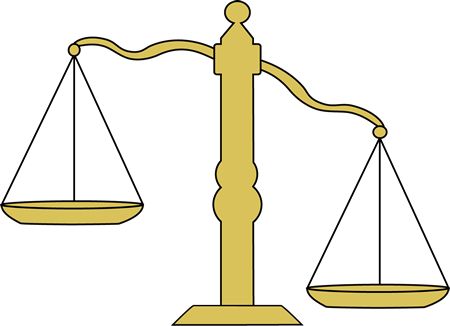
For these reasons, you don’t need to worry about balancing out your ranges in different situations too much and you can play a much more straightforward poker strategy.
For example, if you have a strong value hand, going for big bets and looking to extract value will be your go-to play.
While you would need to balance this out by making similar bets with bluffs when facing competent opponents, you don’t need to do that in a home game at all.
After all, many opponents will call you with a middle pair looking to catch their miracle card regardless of what you bet, so there won’t be too much point balancing your value bets with bluffs.
One thing to be mindful of is that there may be one or two other observant players in the game. Detect these players early and make sure to adjust your play when they are involved in hands.
Tip #3. Take Mental Notes on Your Opponents
If you were playing in a high-stakes poker tournament with some of the best poker players in the world, you would notice that most play a very similar and very strong style of poker.
One of the most underutilized advantages in home games is live tells. In a casino or tournament setting, players are usually more guarded — they know they are being watched and they manage their behavior at the table. In a home game with friends, that guard is almost entirely down.
I have sat in home games where players practically announce the strength of their hand before they act: reaching for chips before it is their turn when they are strong, going quiet when they are bluffing, glancing at their chips immediately after seeing the flop when they connect. Pay attention to these patterns and write them down.
A player who looks away from the board when the ace hits is giving you information no solver can replicate.
In poker home games, on the other hand, you will see playing styles differ as much as possible, ranging from super tight and nitty to very loose and splashy to complete maniacs.
If you want to do well in home games, knowing exactly who you are up against is key, and the only way to discover this is by paying close attention and taking notes.

In the words of “Rounders” protagonist Mike McDermott, “If you can’t spot the sucker in your first half an hour at the table, you are the sucker!”
Indeed, identifying the softest spots in a home game will usually be pretty easy, as these players will be involved in more pots than anyone else and will often be quite vocal about it.
Players who make the most fuss and talk the biggest game are usually your easiest targets, and you should be focused on identifying exact leaks in their game.
Many home game players make the exact same mistake over and over again, and if you can spot a few such mistakes, you may be able to pounce on them many times over without anything changing.
Tip #4. Position Is Your Friend
There is no denying that position in poker is important in all poker games, but home games make the position even more valuable for a number of reasons.
What I tell students who play home games is this: treat every hand from early position as if you are out of position post-flop in a multi-way pot — because you almost certainly will be.
The cutoff and button are where I make the majority of my profit in home games. From those seats, I will play significantly wider than I would in the same game online, because the information advantage and pot control I get from acting last are amplified when three or four opponents have already checked to me.
Out of position in a home game, I keep my range tighter than most players expect.
Hands in home games will often go multi-way no matter how much you try to isolate players, which means you will need to make hands more often to win pots.
Being in position allows you to control the size of the pot and get more information before putting chips into the pot, and this makes the power of position even more valuable than usual.
As a general rule of thumb, you will want to avoid getting involved from the blinds and early positions with anything but very strong hands with a lot of potential.
In positions like the cutoff and button, on the other hand, you may want to get involved somewhat wider, especially when you are getting laid a great price and massive implied odds.
Tip #5. Do Not Bluff the Fish
You have probably already heard the expression “don’t bluff the fish” in the past, but you have also probably forgotten about it a few times over your life.
The other side of this principle is equally important: do not slow play your big hands in a home game either. I have seen students lose enormous pots because they flopped a set or two pair and decided to “let the pot build” by checking. In a home game with four or five players, letting free cards come in is almost always a mistake.
The player drawing to a straight or flush does not know enough to fold, so you need to bet large and bet often. Charge them to see the next card. If they hit, they hit — but the money you extract over hundreds of sessions by betting big with your strong hands will far exceed what you lose to occasional suckouts.
The truth is you can’t play poker without ever bluffing, but when playing in home games, you should be a lot more restrained with your bluffs.
There are certainly times in a poker home game when you will want to pull the trigger and make sure your opponent folds their busted flush draw or middle pair on the river, but those times need to be chosen carefully.
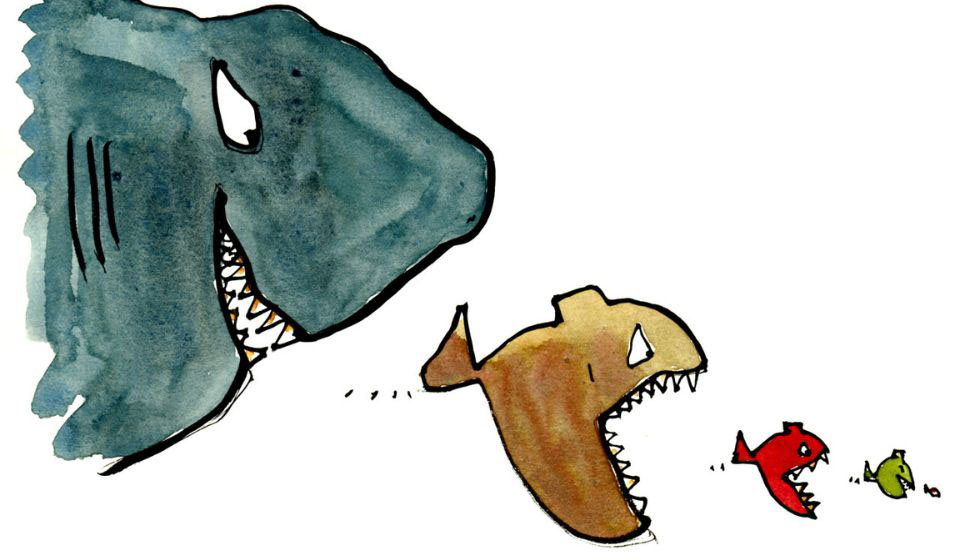
What’s even more, you need to be sure that the player you are trying to bluff understands what hands you could have, and is willing to let go of their hand before you try a big bluff.
If you bluff very often in home games, you will end up getting called a lot, and once everyone sees you bluffing a few times, your image will be completely ruined.
For that reason, you should only try bluffing very rarely, and if you do get caught bluffing, make sure to use that to your advantage later and make some abrasive and big bets when you actually do have the nuts. The fish won’t be able to let go and will pay you off just to see if you are bluffing again.
Tip #6. Be Honest with Yourself
If you play in poker home games often, you have surely had sessions in which you played your C-game or worse and allowed your game to blend in with everyone else’s.
The challenge with home games specifically is that the social pressure makes it harder to quit when you should. It feels rude to leave early, especially if you are down and others think you are just upset.
But the truth is, playing emotionally impaired poker in a soft game is one of the costliest leaks a player can have — you are burning expected value in an environment where the edge is already heavily in your favor when you are playing well.
If I had a dollar for every time a student told me they lost their entire session profit in the last two hours because they started playing loosely and recklessly, I would have funded a significant training library. Recognize the signs early and act on them.
If you want to actually beat home games, you will need to make sure you master your poker mindset, or at least be honest with yourself and quit when you’re not in control.
None of us are impervious to tilt and bad play, but the least we can do is be honest with ourselves and tell the truth about why we lost in a particular session.
While there will always be sessions where everything went wrong and you simply could not have won, there are many others in which you make a lot of mistakes that cost you money.
Make sure to approach your games analytically if you want to win or play low enough that you don’t care about your losses if all you want to do is gamble and have some fun.
Tip #7. Remember to Stay Respectful
Poker home games are chaotic, and if you are at all prone to tilting, you will need to go into them ready for things to get out of hand. Just remember that you’re all there because you love Texas Hold’em, Pot Limit Omaha, whatever poker game you’re playing.
One practical note that goes hand in hand with staying respectful: do not drink at the table, or keep it to one drink if the social pressure is significant. I know this sounds like a buzzkill in a game where everyone else is having beers, but alcohol and poker are directly at odds.
The moments where I have seen players give back their entire winning session — and I see this regularly — almost always involve a combination of a few bad beats and a few drinks. Your opponents are not obligated to maintain their concentration. You are.
When every hand is going five ways and people are calling raises with off-suit gappers, some crazy bad beats will happen whether you like it or not.
When they do, and you end up losing a pot that was yours by every right and logic, staying respectful to other players in the game is extremely important.
While it can be very easy to jump out of your chair and pull a “Phil Hellmuth” on a guy who doesn’t even know what he did wrong, doing so will create a negative atmosphere and could even scare the player away.
What’s even more, by telling your opponent what he did wrong in a hand, you might even end up teaching them how to beat you the next time, and that’s definitely the last thing you want to do.
The next time you play in a home game, make sure to stay respectful to everyone, say “nice hand” to your opponent no matter what happens, and take joy in knowing that games as soft as the one you are playing still exist.